
Save Your Natural Tooth and Relieve Dental Infection
Tooth pain can make it difficult to eat, sleep, work, and focus on your day. When decay, infection, or trauma reaches the inner part of a tooth, root canal therapy may be the best way to relieve discomfort and save the natural tooth.
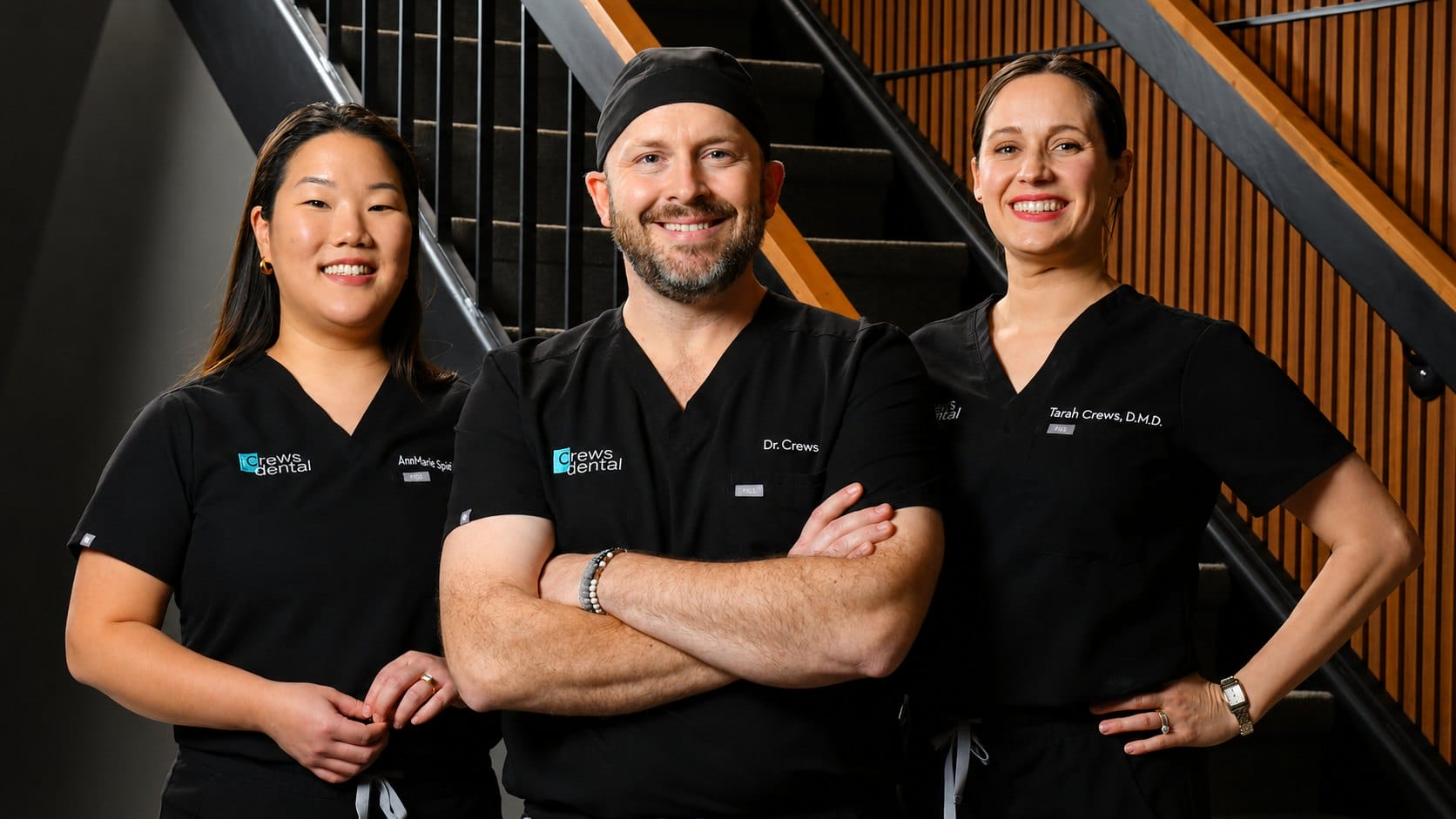
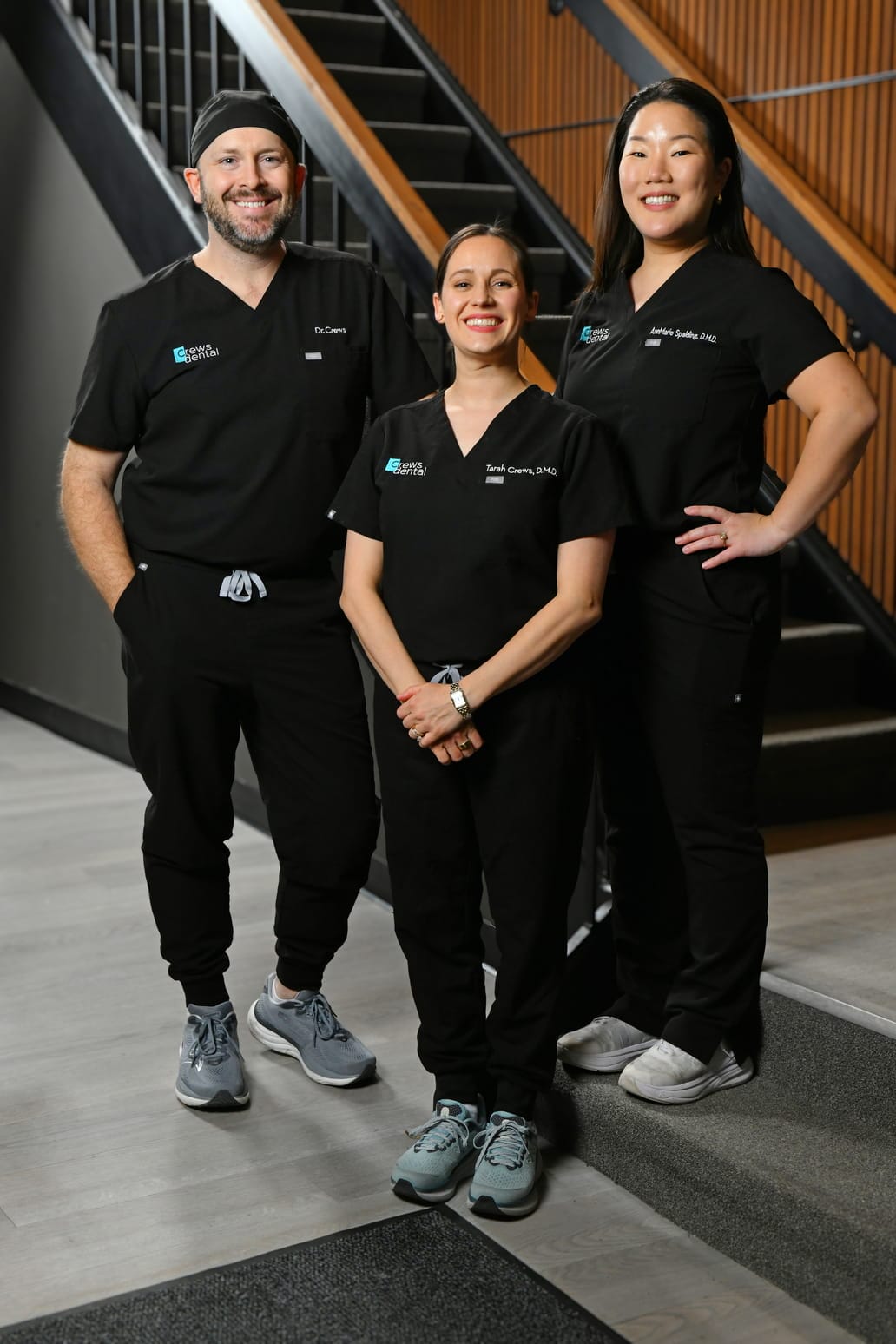
At Crews Dental, we provide root canal therapy for patients in St. Louis, Webster Groves, and the Greater St. Louis area who need treatment for an infected, damaged, or severely painful tooth.
Many patients feel nervous when they hear the words “root canal,” but the purpose of treatment is to remove infected or inflamed tissue, relieve the source of pain, and preserve the tooth whenever possible.
Benefits of Root Canal Therapy at Crews Dental
When a natural tooth can be saved, root canal therapy may help:
- Remove infection or inflamed pulp from inside the tooth
- Relieve tooth pain caused by nerve inflammation
- Preserve the natural tooth
- Restore normal chewing function
- Maintain bite stability
- Reduce the need for extraction and tooth replacement
- Protect nearby teeth from shifting into an empty space
After treatment, the tooth is restored so it can continue functioning as part of your smile.
What is root canal therapy?
Inside each tooth is soft tissue called pulp, which contains nerves, blood vessels, and connective tissue.
If the pulp becomes infected or severely inflamed, the tooth may become painful and can eventually require removal if it is not treated.
An exam and dental X-rays help us determine whether the tooth can be saved and whether root canal therapy is the appropriate treatment.
During root canal therapy, the damaged pulp is removed. The inside of the tooth is cleaned, disinfected, and sealed. The tooth is then restored with a filling and, in many cases, a dental crown for added protection.
Why would I need Root Canal Therapy?
A root canal may be recommended when the inner pulp is damaged by:
- Deep tooth decay
- An infection or abscess
- A crack or fracture
- Dental trauma
- Repeated treatment on the same tooth
- Severe nerve inflammation
- Damage that would otherwise make extraction necessary
An exam and dental X-rays help us determine whether the tooth can be saved and whether root canal therapy is the appropriate treatment.
Signs You May Need Root Canal Treatment
The right option depends on your goals, tooth condition, bite, desired longevity, and the amount of change you want to make.
Possible signs include:
- Severe or persistent toothache
- Pain when biting or chewing
- Lingering sensitivity to hot or cold
- Swelling around the gums, jaw, or face
- Tenderness near a specific tooth
- A pimple-like bump on the gums
- Darkening or discoloration of a tooth
- A cracked or damaged tooth
- Deep decay close to the nerve
What to Expect During A root Canal
The area is numbed for comfort before treatment. An opening is made in the tooth so the infected or inflamed pulp can be removed. The root canals are cleaned, shaped, disinfected, and sealed.
Afterward, the tooth is restored. Depending on how much natural tooth structure remains and where the tooth is located, a crown may be recommended to protect it from fracture.
Modern root canal therapy is designed to relieve the source of pain, not create it.
Root Canal Therapy vs. Tooth Extraction
When a tooth can be predictably restored, saving it is often preferred to removing it. Keeping the natural tooth helps preserve chewing function, bite stability, and the spacing of nearby teeth.
Extraction may still be necessary if the tooth is too fractured, decayed, or structurally compromised to restore. If removal is the better option, we will explain why and discuss whether the tooth should be replaced with an implant, bridge, or partial denture.
Protecting the Tooth After Treatment
A root-canal-treated tooth no longer has living pulp, but it still needs regular care.
Brush and floss normally, keep up with routine exams, and protect the tooth with the recommended final restoration.
If the tooth becomes painful again, the crown or filling feels loose, or you notice swelling, contact us for evaluation.